
Malaria Awareness
Malaria Awareness
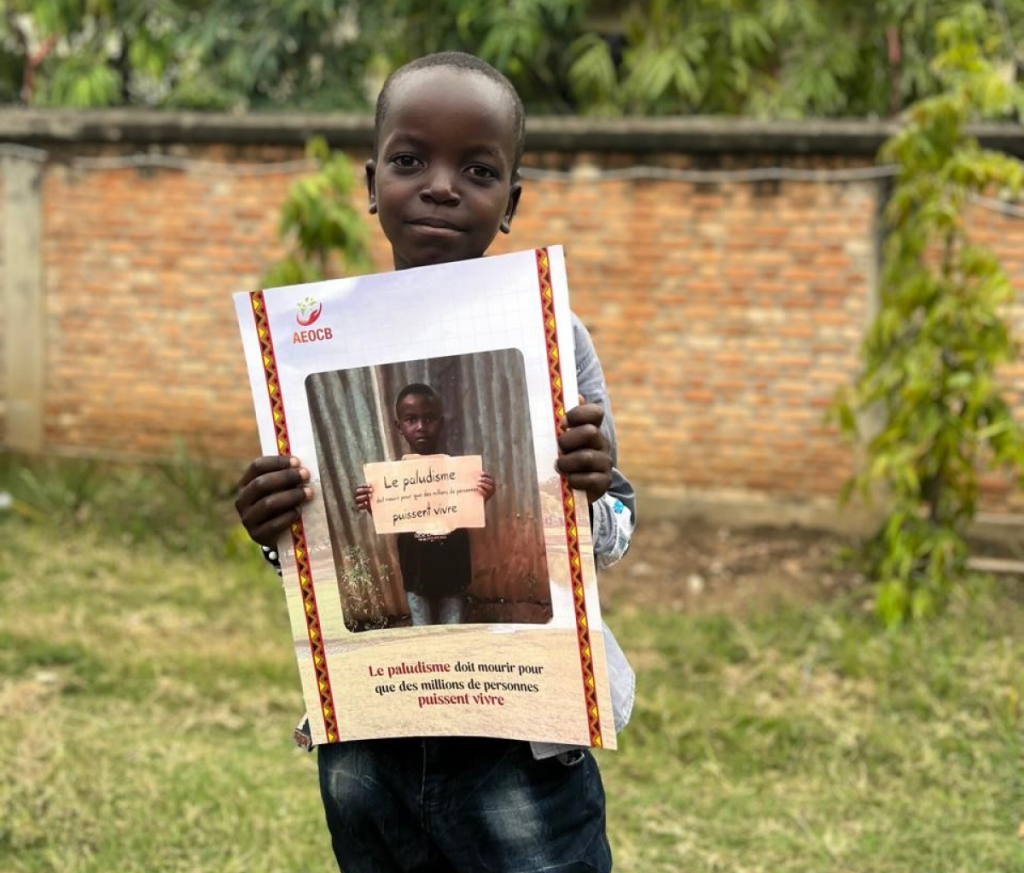
Malaria Must Die So Millions Could Live
2024 – 2026
Malaria remains one of the leading causes of preventable illness and death in the regions WWD serves, particularly among children under five and pregnant women. Our Malaria Awareness campaigns teach communities how the disease spreads, how to recognize early symptoms, and how simple, low-cost prevention — like insecticide-treated bed nets and standing-water removal — can dramatically reduce transmission
Key Facts about Malaria
249 million
Estimated cases worldwide (2022)
608,000
Estimated deaths (2022)
Children under 5
Are the most vulnerable
Mainly in Africa
Accounts for the highest burden
Why It Matters
Our awareness programs turn health knowledge into practical action, helping communities prevent malaria and seek care early.
- Increase knowledge
Increase community knowledge of malaria transmission and prevention.
- Promote Prevention
Promote consistent use of insecticide-treated bed nets.
- Encourage early diagnosis
Encourage early symptom recognition and prompt treatment-seeking.
Key Messages & Activities
Recognize Symptoms
fever, chills, fatigue seek care immediately.
Remove Standing Water
Reduce mosquito breeding around homes.
Community Health Talks
Local-language sessions led by trained volunteers.
Bed-Net Distribution
Door-to-door distribution and demonstrations.
School Education
Malaria awareness sessions for children.
What Malaria Awareness Will Deliver
Turning malaria awareness into practical prevention, early recognition, and healthier community behaviors.
Recognize Symptoms
Early recognition and medical attention.
Prevent Mosquito Breeding
Reduce standing water around homes.
Protect Families
Promote bed-net use and practical prevention.
Community Health Education
Bring malaria prevention into communities and schools.